
grains storage systems play an important role in agriculture. When selecting a silo, buyers need to consider more than its external dimensions. Storage volume, grain safety , discharge equipment.
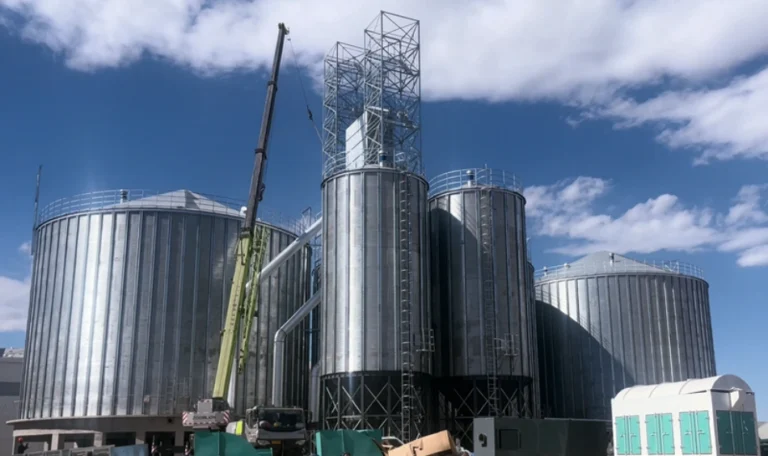
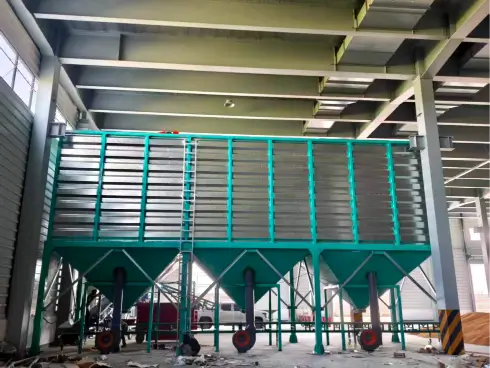
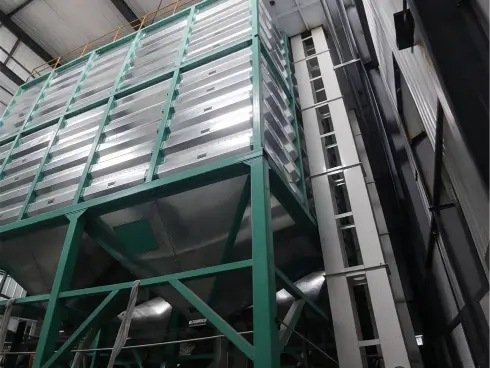
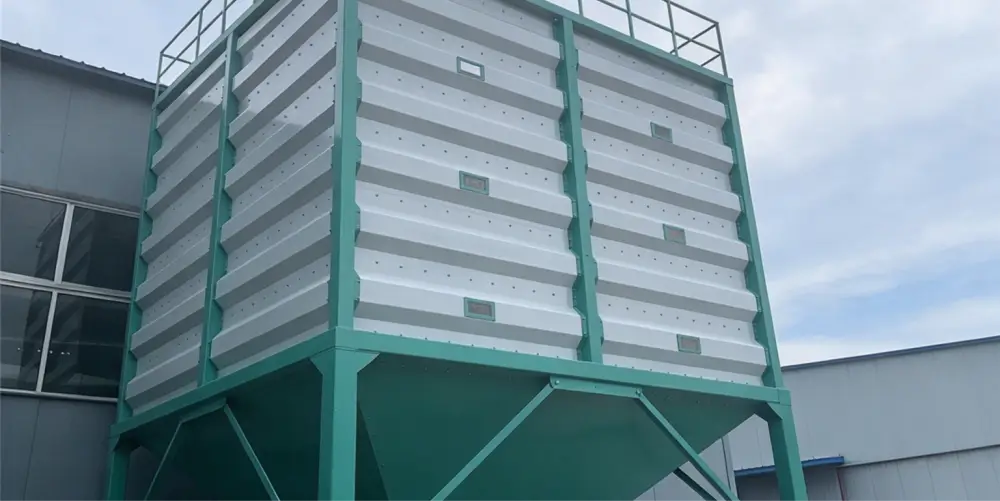
A March 2026 project in Jiaxing, Zhejiang Province, China, features three square steel silos, each measuring 5 m × 5 m × 10 m. This installation provides a useful starting point for understanding the considerations involved in planning a multi-unit square silo system.
1. Understanding the Project Configuration
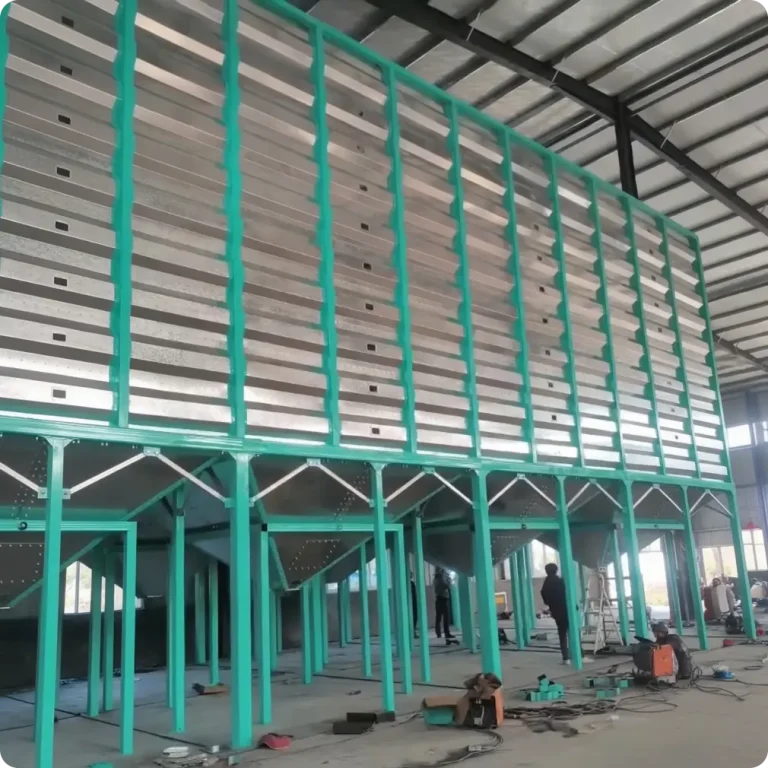
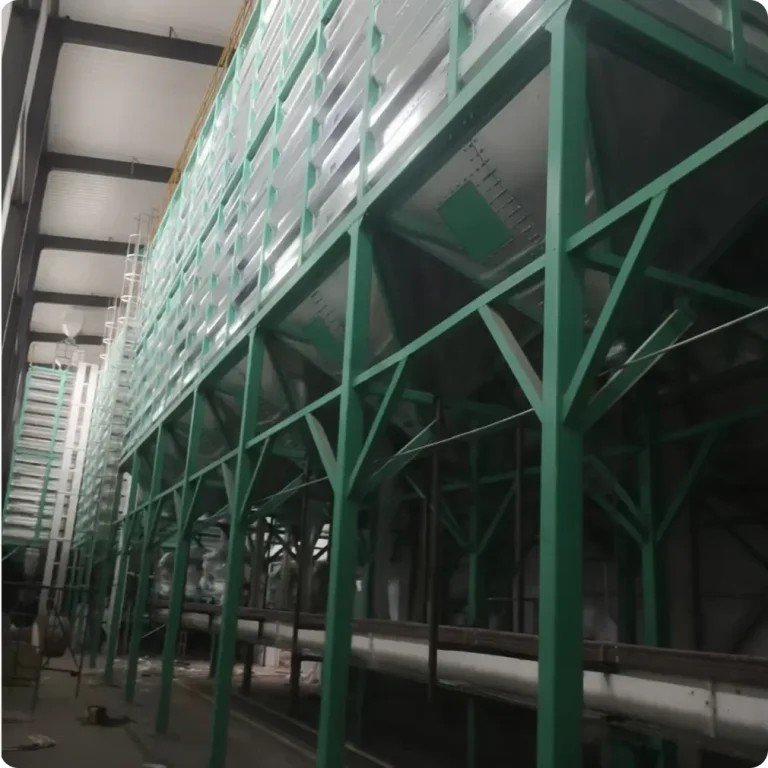
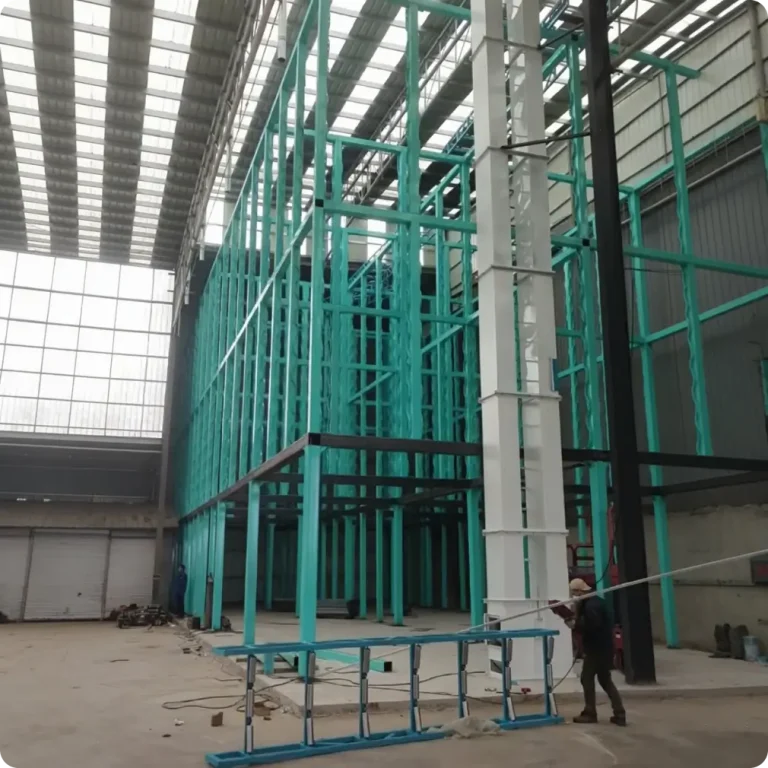
The Jiaxing installation features three square steel silo structures with hopper bottoms and supporting frames.
- Number of silos: 3
- External dimensions per silo: 5 m × 5 m × 10 m
- Installation location: Jiaxing, Zhejiang, China
- Project date: March 2026
If the stated dimensions represent the external rectangular body, the simple geometric envelope is 250 cubic metres per unit, or 750 cubic metres for three units combined.
However, this is not the confirmed usable storage capacity. The actual volume depends on the internal dimensions, hopper geometry, wall thickness, filling level, and other design details. The material mass capacity also depends on bulk density and the structural loading limits.
This distinction is important when comparing silo quotations or planning production storage.
2. Why Consider Square Silos?
Square silos may be suitable for agriculture facilities where a rectangular footprint fits the available floor plan.
A square footprint can simplify the arrangement of several storage units in a row or within a defined building area. However, access routes, structural columns, maintenance clearance, and equipment interfaces must be considered before determining the final layout.
A multi-silo arrangement can support separate material categories or different storage requirements
The number of silos alone does not determine operational flexibility. The material routing, discharge controls, and downstream conveying arrangement must also support the intended process.
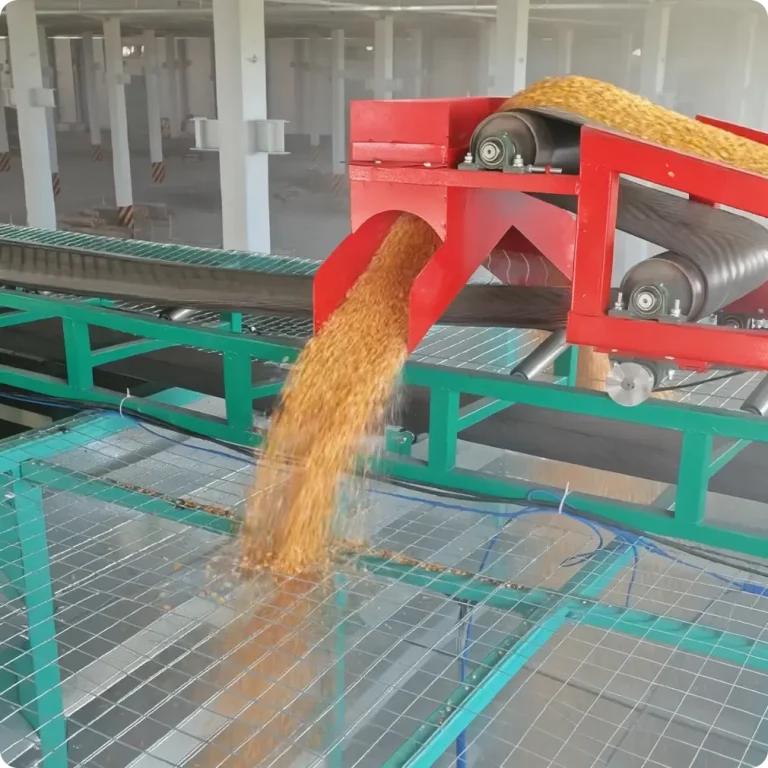
A silo should be designed as part of the complete material handling system. Its outlet elevation, discharge direction, and connection points may need to match feeders, conveyors, mixers, or other equipment.
3. The Importance of Hopper Design
The hopper is one of the most important parts of a bulk storage silo.
Its purpose is to guide material toward the outlet, but reliable discharge depends on the properties of the stored material and the hopper geometry.
Before selecting a hopper design, engineers should evaluate:
- Material particle size and distribution
- Moisture content and cohesio
- Bulk density and wall friction
- Required discharge rate
- Outlet dimensions and feeder configuration
- Potential for bridging, ratholing, or material buildup
A hopper angle that works well for one material may not work for another. Where necessary, flow aids or specialized discharge equipment may be considered following an appropriate engineering assessment.
4. How to Address Common agriculture Storage Challenges
When storage capacity is poorly matched to production demand, material deliveries and downstream consumption may become difficult to coordinate.
Planning approach: Estimate the required working inventory, delivery frequency, material bulk density, and acceptable filling level before determining the number and size of silos.
Material that does not discharge consistently can disrupt downstream operations.
Planning approach: Use material-specific hopper design and suitable outlet and feeder arrangements. For difficult-flowing materials, obtain appropriate flow-property information before finalizing the design.
Existing buildings may restrict the available footprint and equipment height.
Planning approach: Prepare a site layout that includes the silo dimensions, support structure, foundations, service access, and conveying routes. Check the full installation envelope rather than the silo body alone.
Silos are subject to material loads and other forces that depend on the site and design.
Planning approach: Verify structural calculations, foundations, loading conditions, inspection access, and applicable local requirements. Dust hazards, pressure or vacuum conditions, and explosion protection should also be assessed where relevant to the stored material and process.
5. What the Jiaxing Project Demonstrates
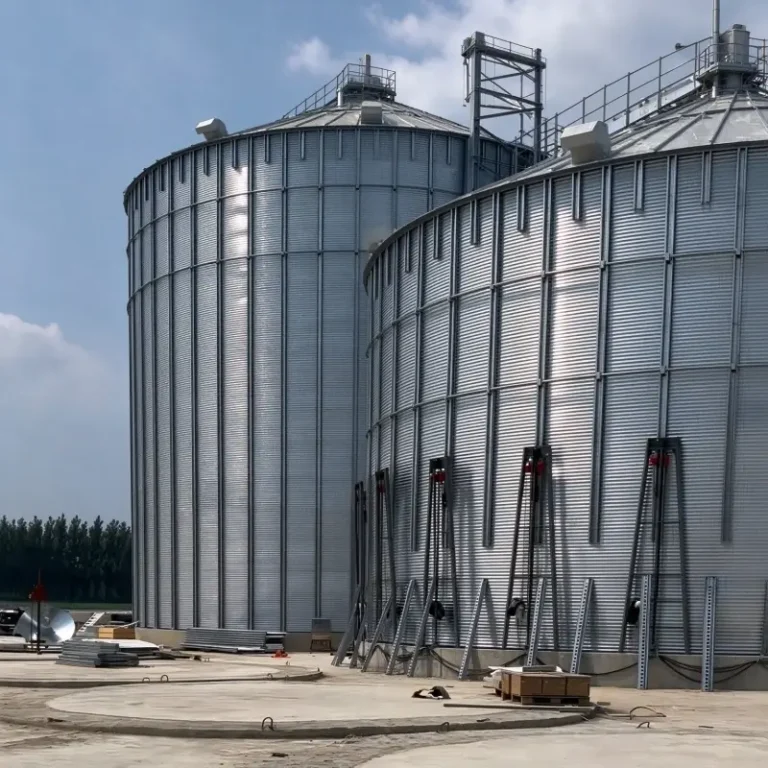
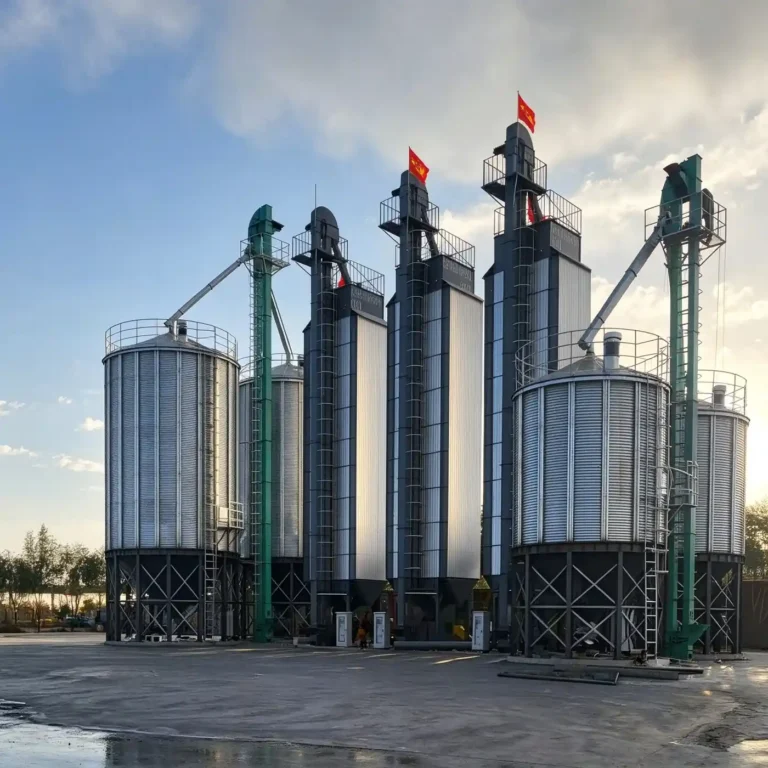
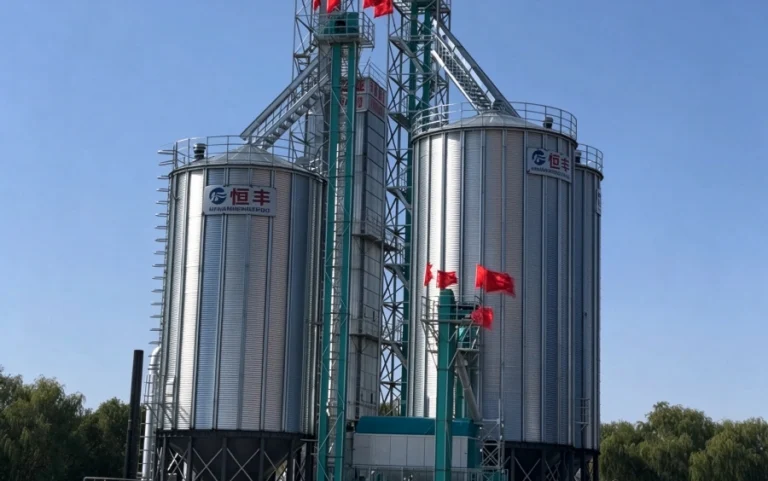
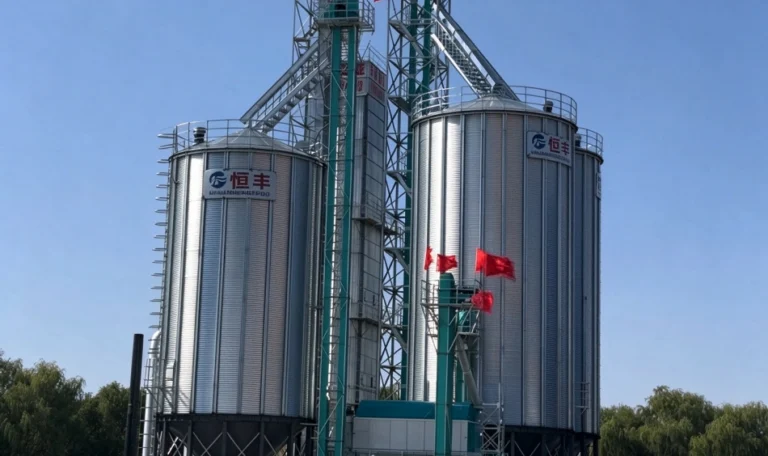
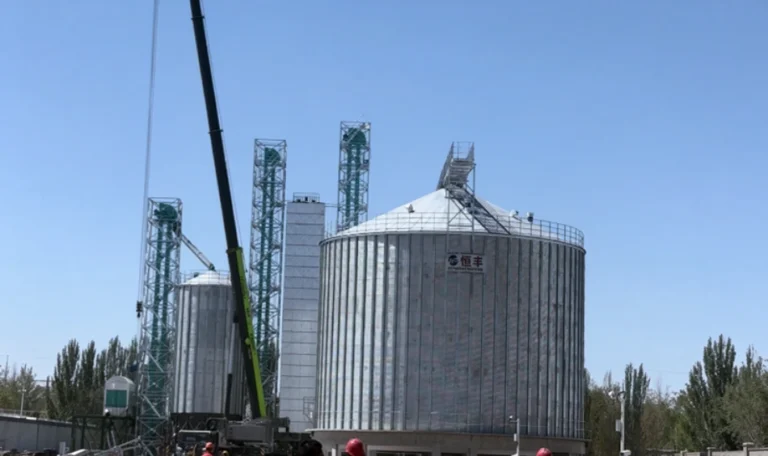
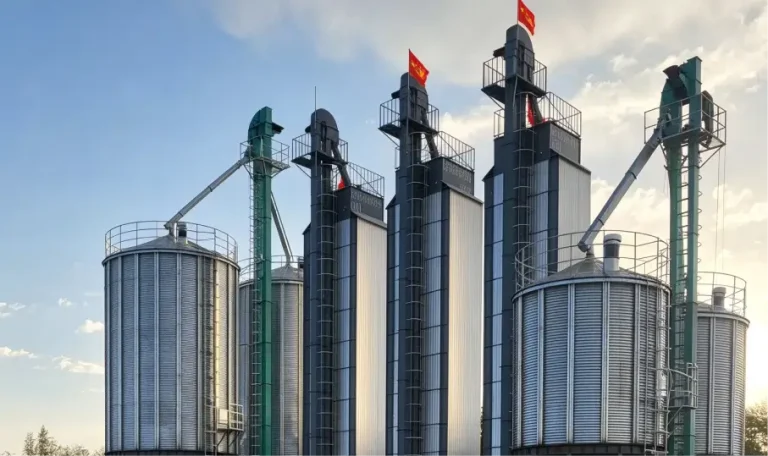
The three-unit Jiaxing installation illustrates a multi-silo configuration with steel bodies, hopper-bottom sections, and support frames.
For prospective buyers, the project highlights several questions worth asking before purchasing similar equipment:
- Are the stated dimensions external dimensions or internal storage dimensions?
- What is the required usable volume and material mass capacity?
- What material will be stored in each silo?
- What discharge rate is required?
- Will the silos connect to existing conveying or processing equipment?
- What foundation, structural, and environmental requirements apply?
- What inspection and maintenance provisions are needed?
Answering these questions helps turn a general equipment request into a project-specific technical specification.
6. Watch the Jiaxing Square Silo Project Video
View the project installation here:
Watch the Three Square Silos Project Video on YouTube
The video complements the site photographs by providing another view of the installed structures. For a complete technical evaluation, buyers should also request drawings, specifications, and information about the intended material and operating conditions.
7. Questions to Ask Before Requesting a Silo Quotation
To help equipment suppliers prepare an appropriate proposal, provide the following information:
- Material name
- Required storage capacity in cubic metres or tonnes
- Available installation dimensions
- Indoor or outdoor installation conditions
- Power supply: voltage & frequency?
- Applicable design standards and environmental requirements
- Preferred automation and monitoring arrangements
More complete information can improve the accuracy of preliminary equipment selection and reduce avoidable design changes.
Conclusion
Square silos can provide a useful storage arrangement for agriculture facilities when the geometry, structure, hopper, and discharge system are matched to the application.
The 2026 Jiaxing project features three 5 m × 5 m × 10 m square steel silos. It offers a reference for discussing multi-unit storage planning, but the final usable capacity and performance must be confirmed using the project drawings and engineering specifications.
If you are planning a square silo project, share your material properties, required capacity, site layout, and discharge requirements to begin developing a suitable solution.