
Choosing the right steel silo capacity is an important decision for businesses that store grain, feed ingredients, cement, fly ash, or other bulk materials. An undersized storage system can restrict production, while an oversized system may increase initial investment and occupy unnecessary space.
A well-planned steel silo system should balance storage capacity, material characteristics, daily throughput, site conditions, and future business needs.
1. Calculate Your Actual Storage Requirements
Before selecting a steel silo, determine how much material needs to be stored during normal operations and peak periods.
Key factors include:
- Daily material consumption or production.
- Frequency and size of incoming deliveries.
- Required inventory buffer.
- Material density and flow characteristics.
- Seasonal fluctuations in supply and demand.
For example, a facility receiving large quantities of bulk material may benefit from several large-capacity silos, while a plant handling multiple batches may also need smaller storage units.
2. Why Combine Large and Small Steel Silos?
A mixed-capacity storage configuration can offer greater operational flexibility than relying entirely on silos of one size.
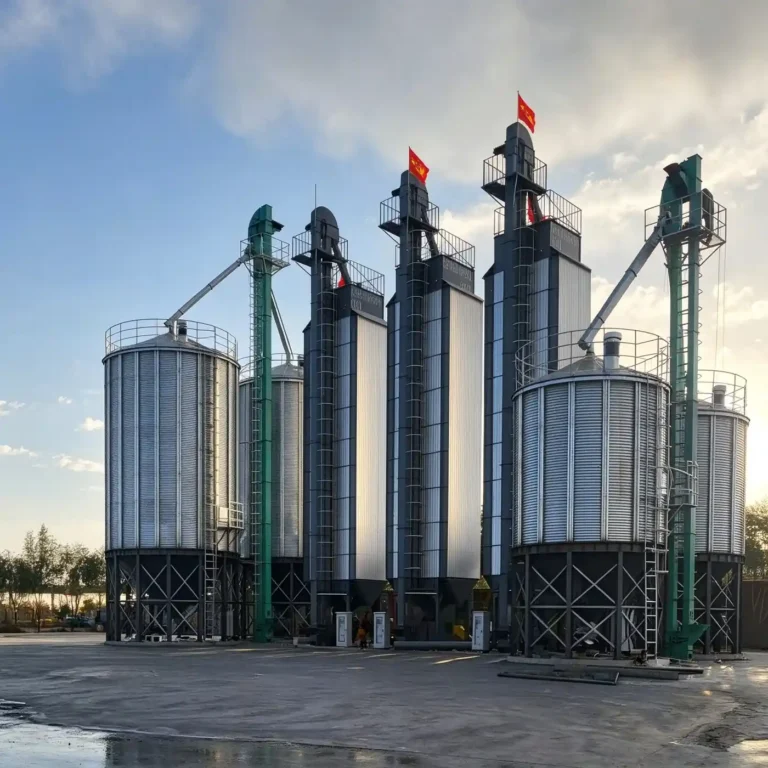
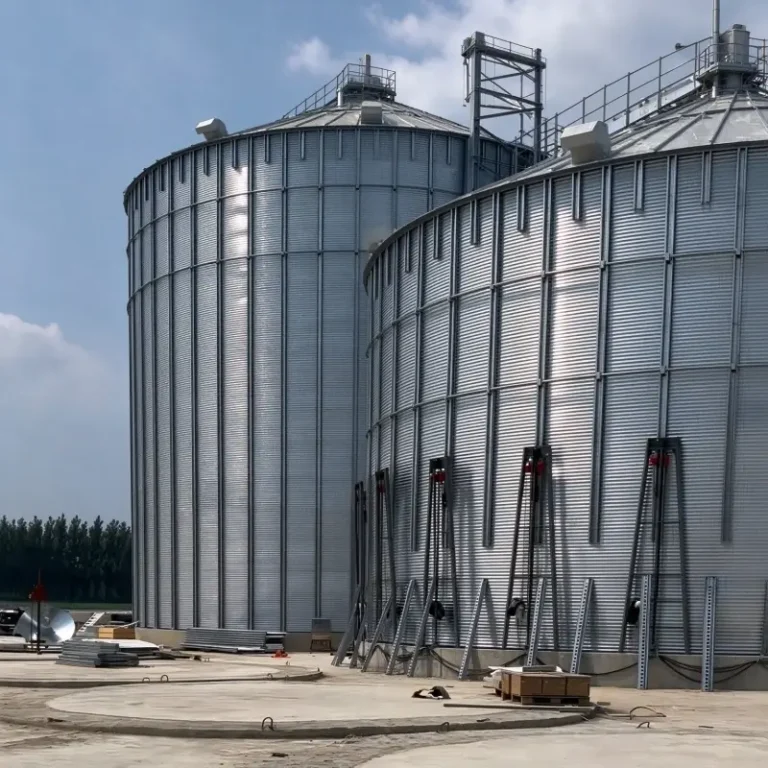
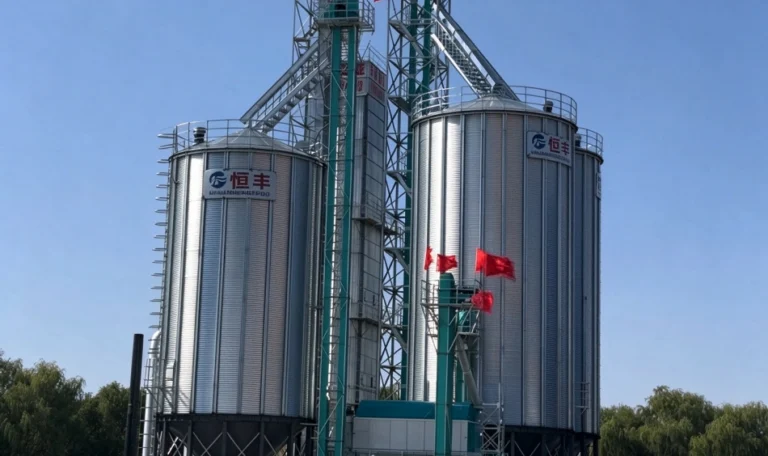
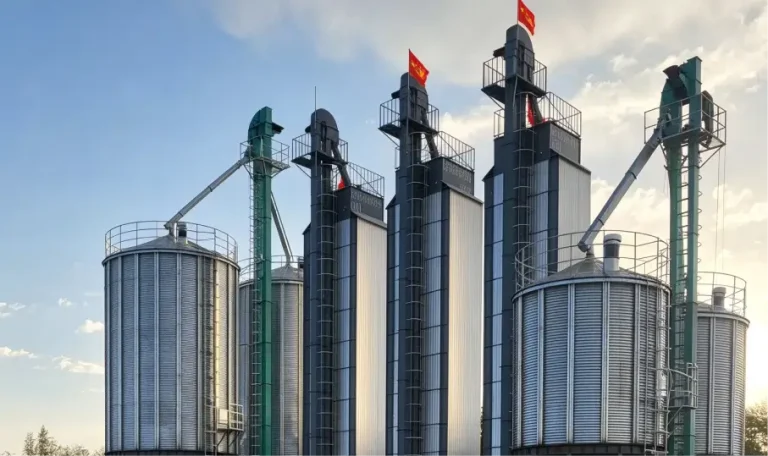
Consider a 2025 steel silo project in Dezhou, Shandong, China, consisting of three 5,000-ton silos and two 500-ton silos.
The total nominal storage capacity is 16,000 tons.
This configuration illustrates three practical planning principles:
- Large-capacity storage: Three 5,000-ton silos provide the main storage capacity for high-volume operations.
- Flexible inventory management: Two 500-ton silos can provide smaller storage compartments for separate batches, supplementary inventory, or other operational needs, depending on the actual material and process design.
- More organized material handling: Separating storage into multiple silos can help operators plan receiving, storage, and discharge activities more systematically.
The best configuration depends on the customer’s actual process. Smaller silos should not automatically be assigned to a particular material or production stage without confirming the operating requirements.
3. Consider Material Characteristics Before Designing the Silo
Different bulk materials require different engineering considerations.
For grain and agricultural products, moisture control, aeration, temperature monitoring, and pest prevention may be important.
For cement, fly ash, and other fine powders, designers may need to consider dust collection, aeration during discharge, fluidization equipment, and the risk of material bridging.
Material density, abrasiveness, moisture content, particle size, and flowability all influence the appropriate silo design.
A professional supplier should evaluate these characteristics before finalizing the silo dimensions, steel structure, discharge equipment, and accessories.
4. Evaluate the Complete Storage System, Not Just the Silo
A steel silo is only one part of a bulk material storage facility.
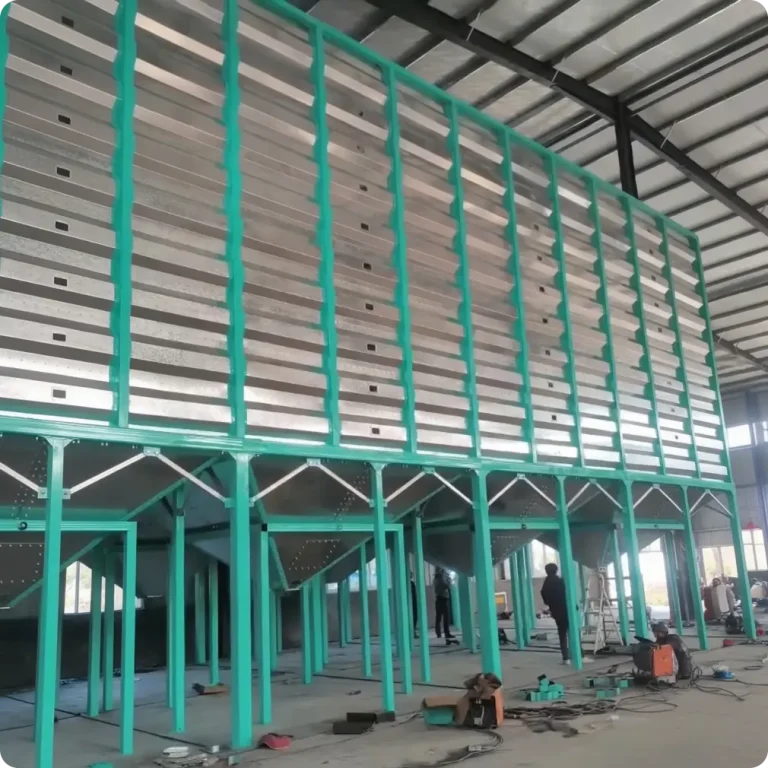
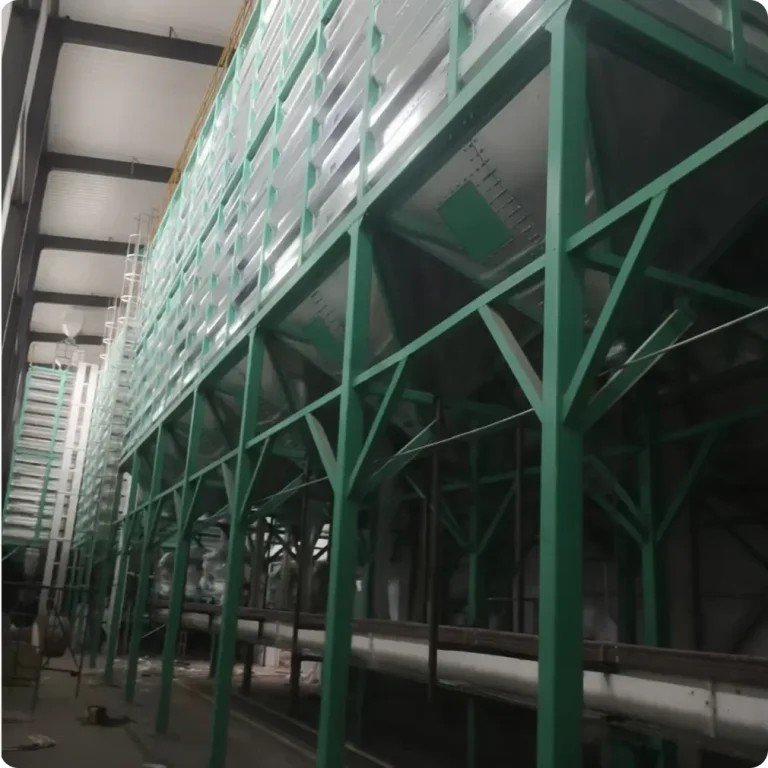
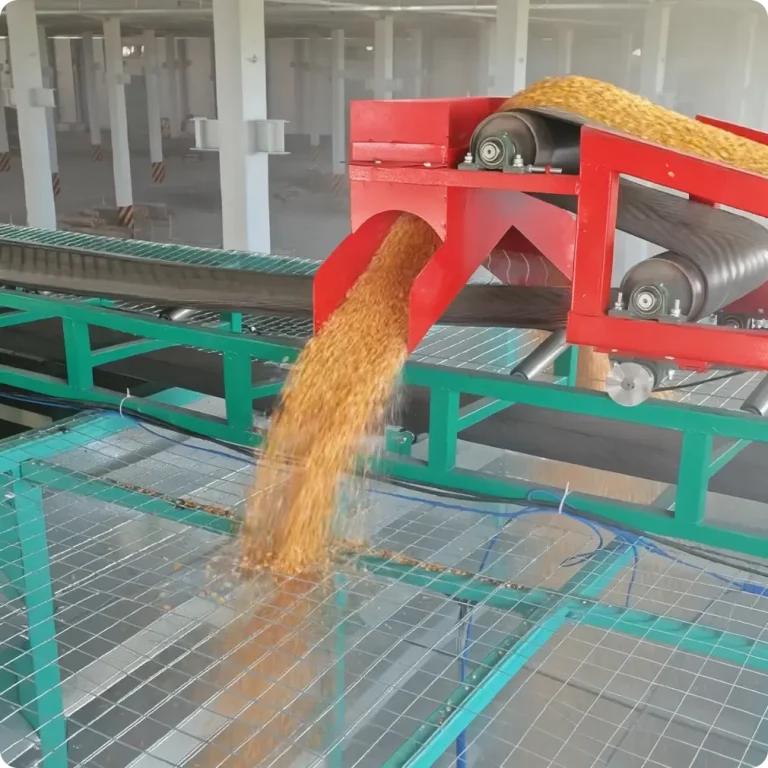
Depending on the project, the complete system may include:
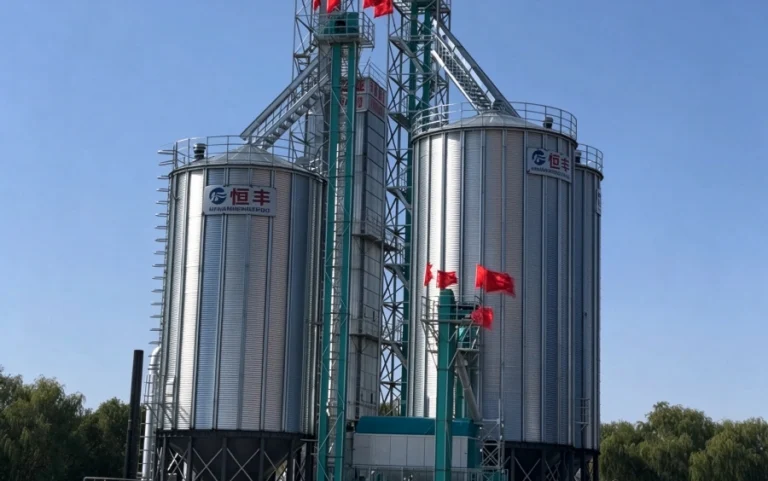
- Steel silo bodies and roof structures.
- Drying towers, conveyors, elevators, and loading equipment.
- Inlet and discharge equipment.
- Dust collection and ventilation systems.
- Level monitoring and automation.
- Electrical controls and safety equipment.
Coordinating these components during the design stage helps reduce interface problems and supports smoother installation and commissioning.
5. Plan for Installation, Maintenance, and Future Expansion
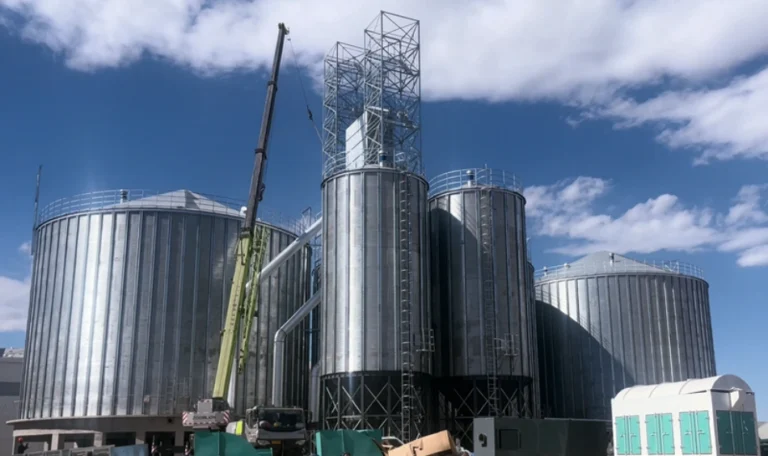
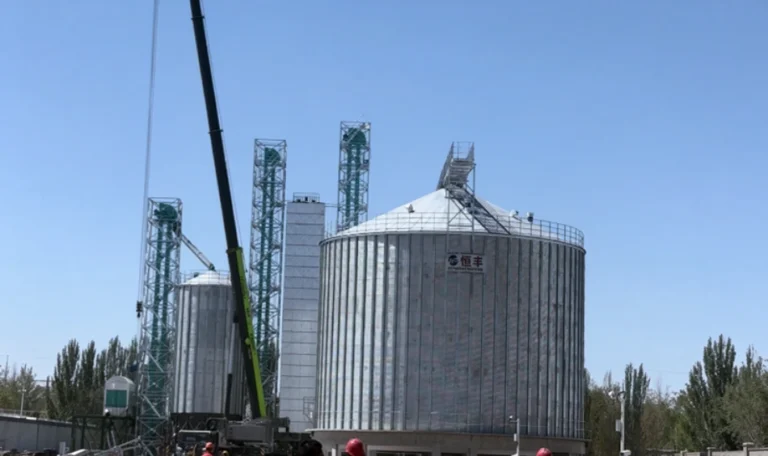
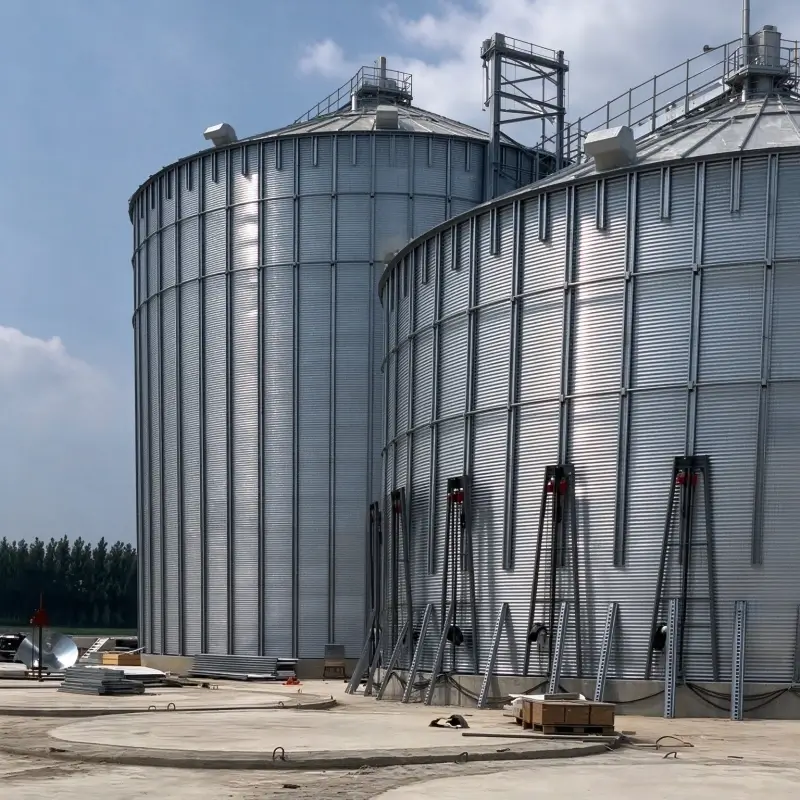
A well-designed storage facility should also consider site access, foundation conditions, installation space, inspection requirements, and future capacity increases.
Modular steel silo construction can be suitable for a range of industrial projects, but the final design must account for local wind and snow loads, seismic requirements where applicable, corrosion conditions, and the characteristics of the stored material.
Routine inspection and appropriate maintenance are also important for long-term structural integrity and reliable operation.
6. Conclusion
Selecting the right steel silo capacity requires more than calculating a single storage figure. It involves understanding the entire material handling process, identifying operational bottlenecks, and coordinating storage equipment with production requirements.
The Dezhou project, with three 5,000-ton silos and two 500-ton silos, illustrates how large-capacity and smaller-capacity units can be combined into one storage plan.
Planning a new steel silo project? Share your material type, required capacity, daily throughput, and installation location with our team to explore a suitable storage solution.