1. Project Background
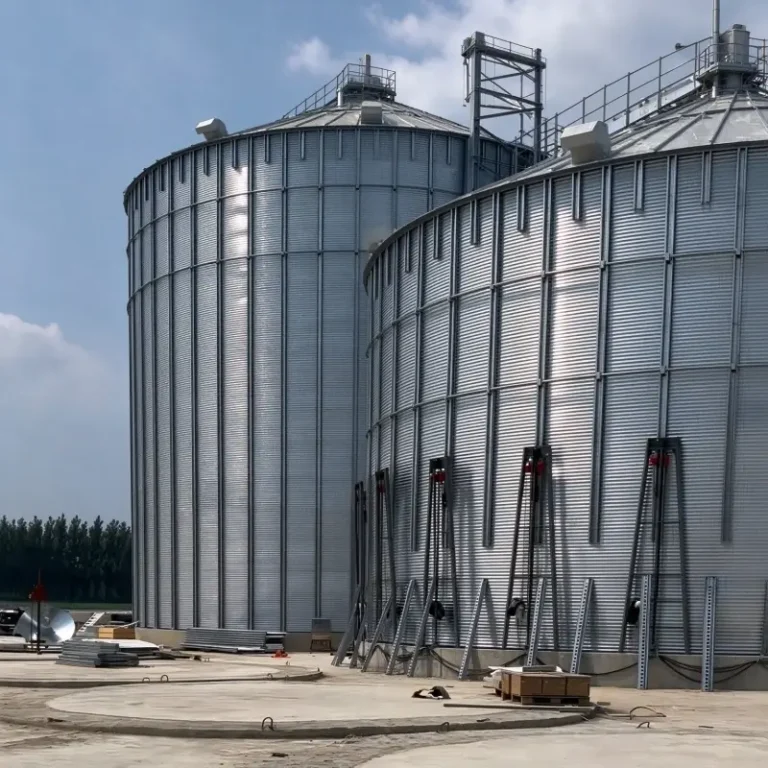
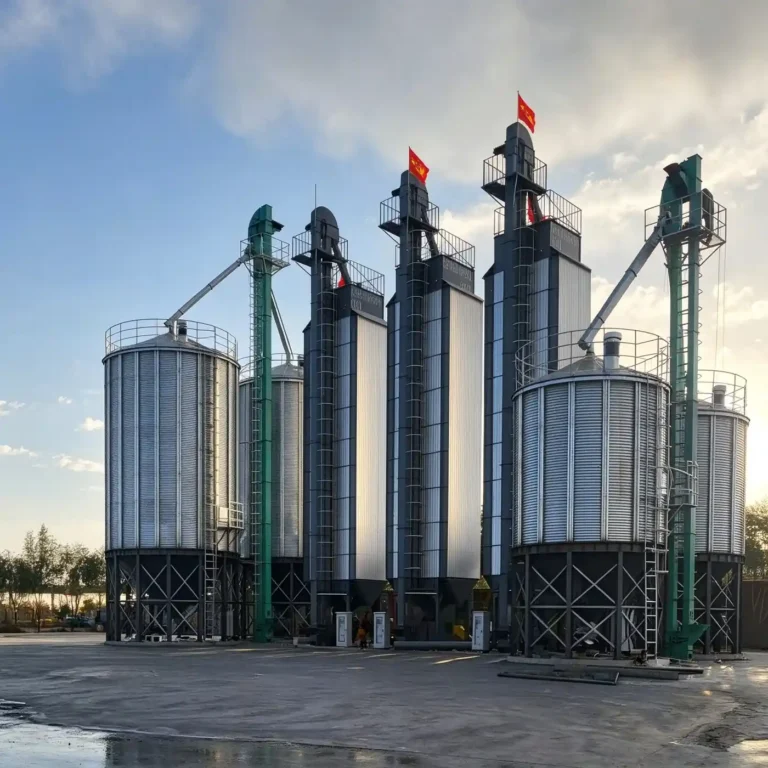
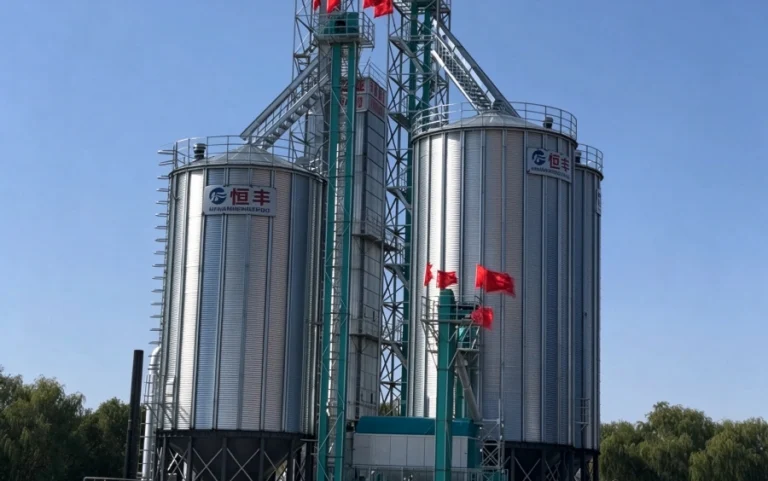
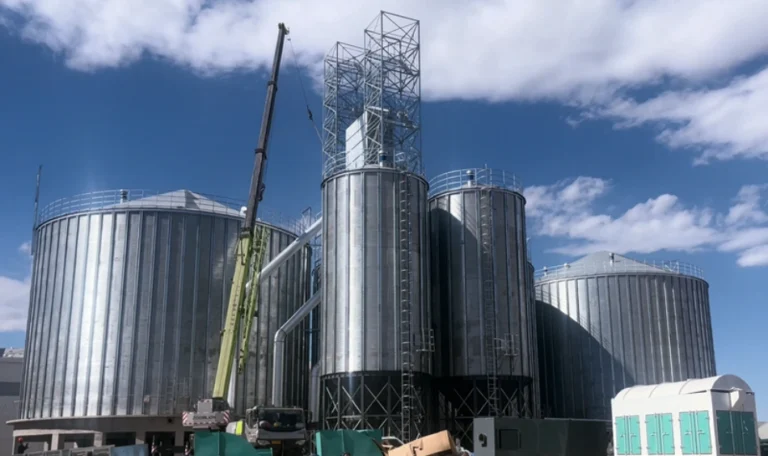
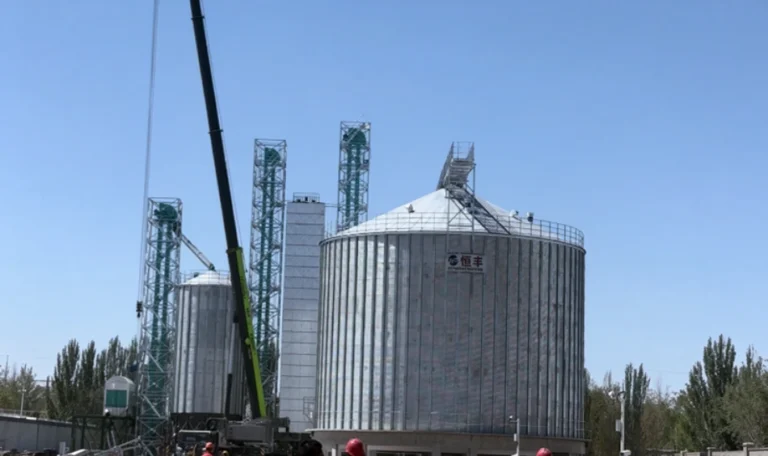
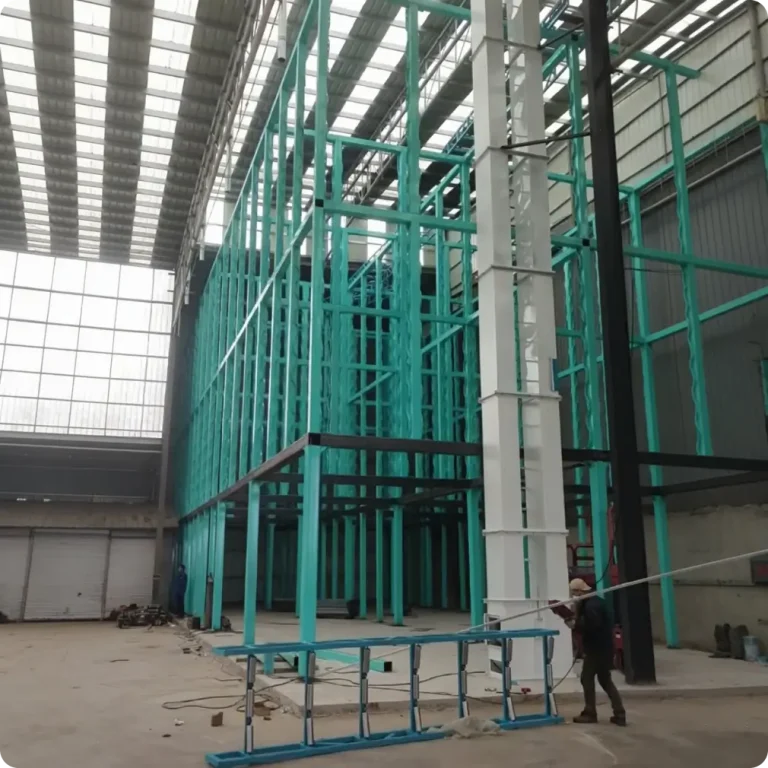
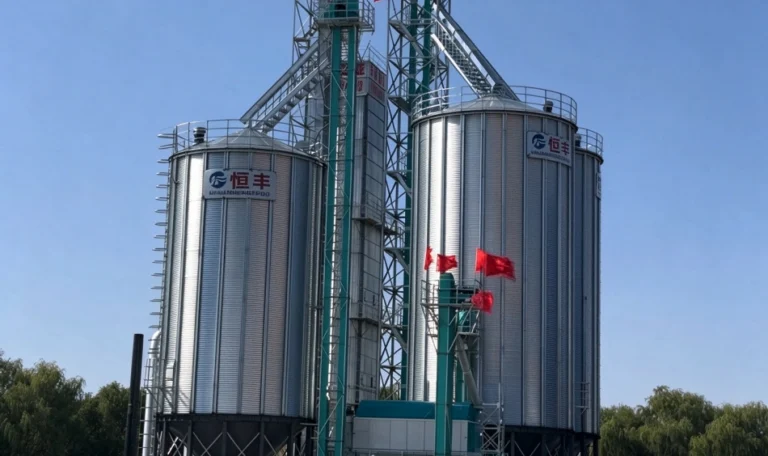
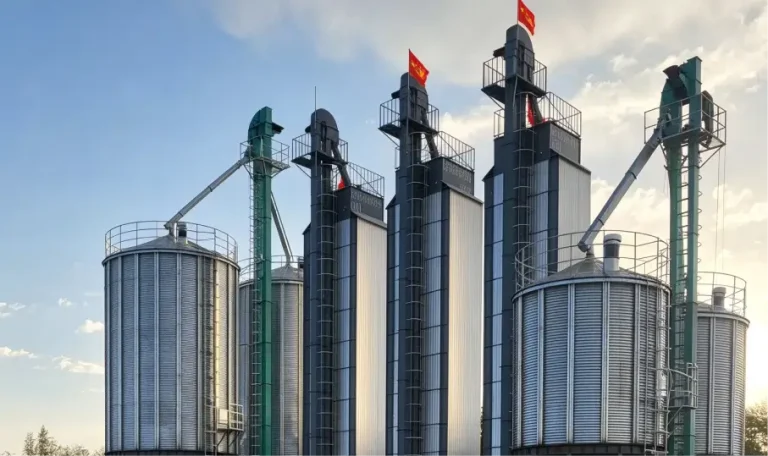
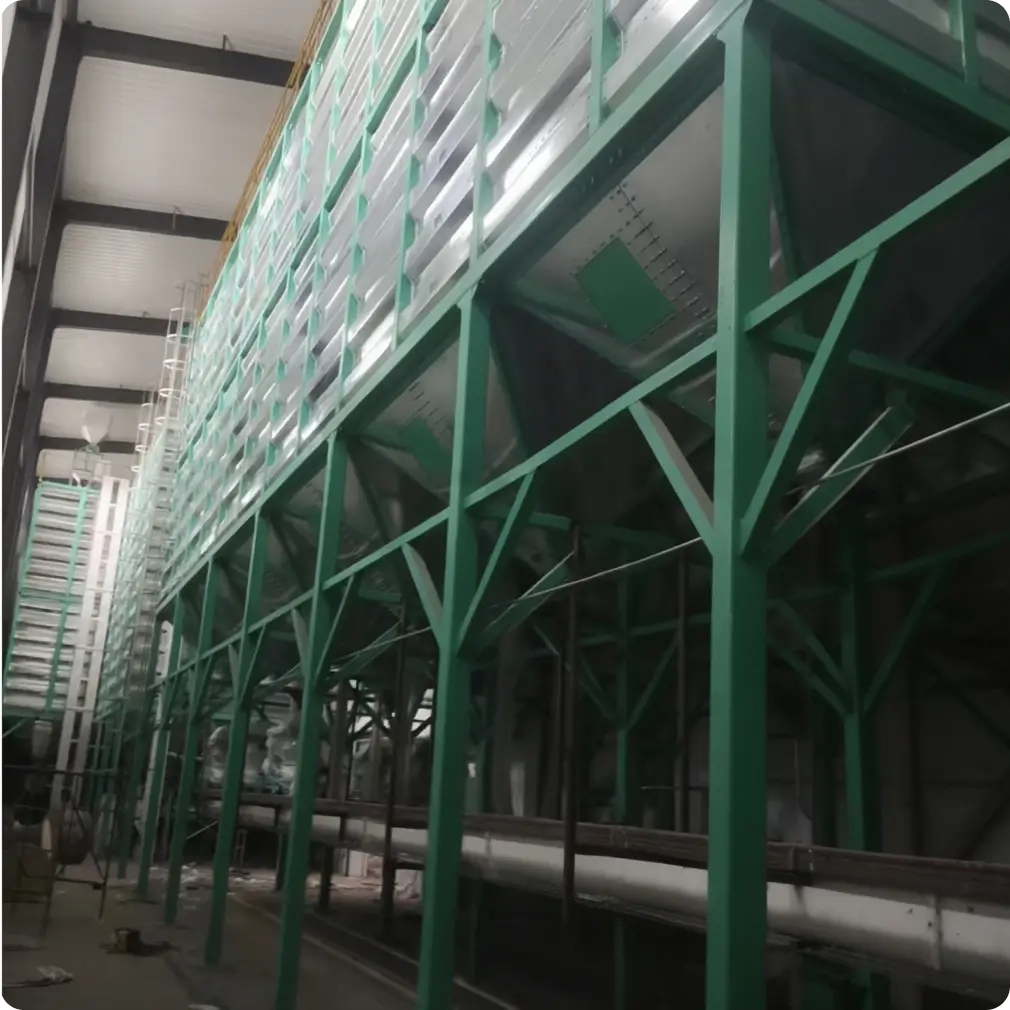
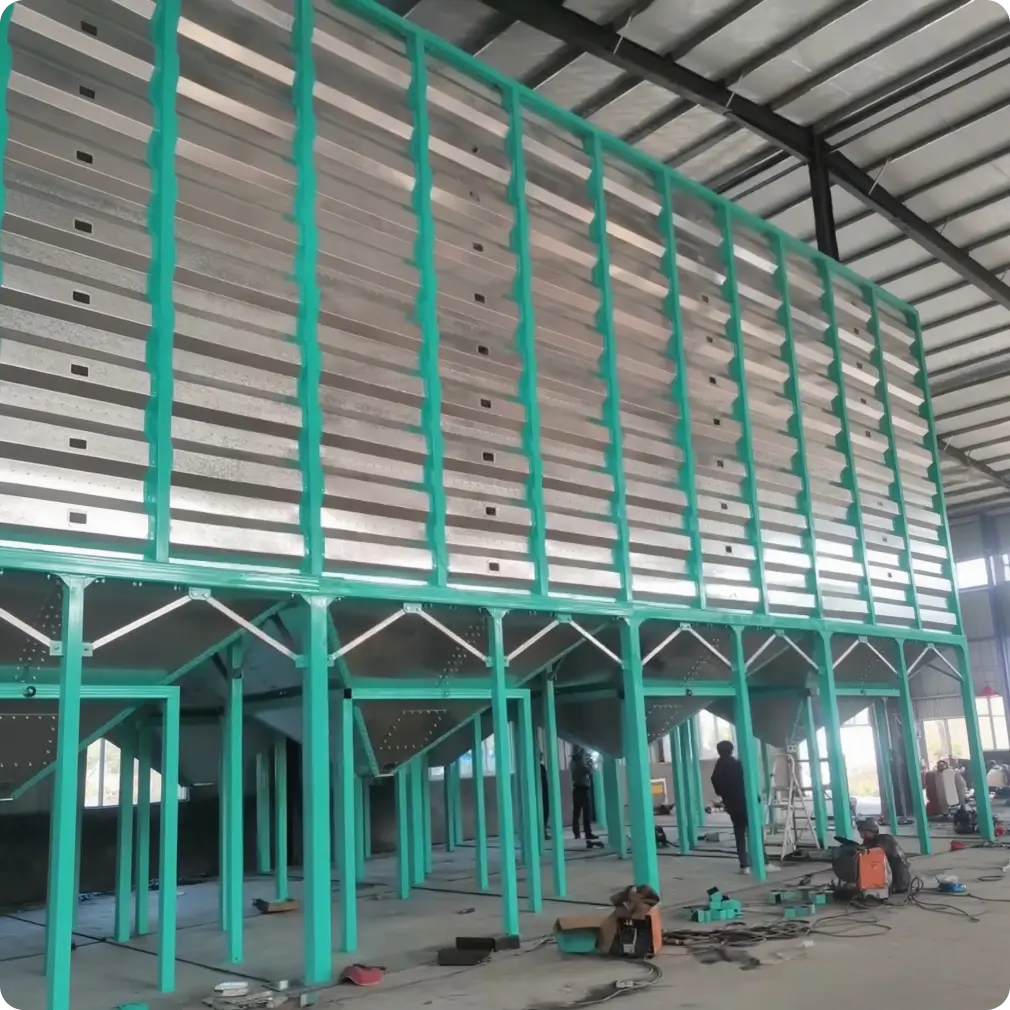
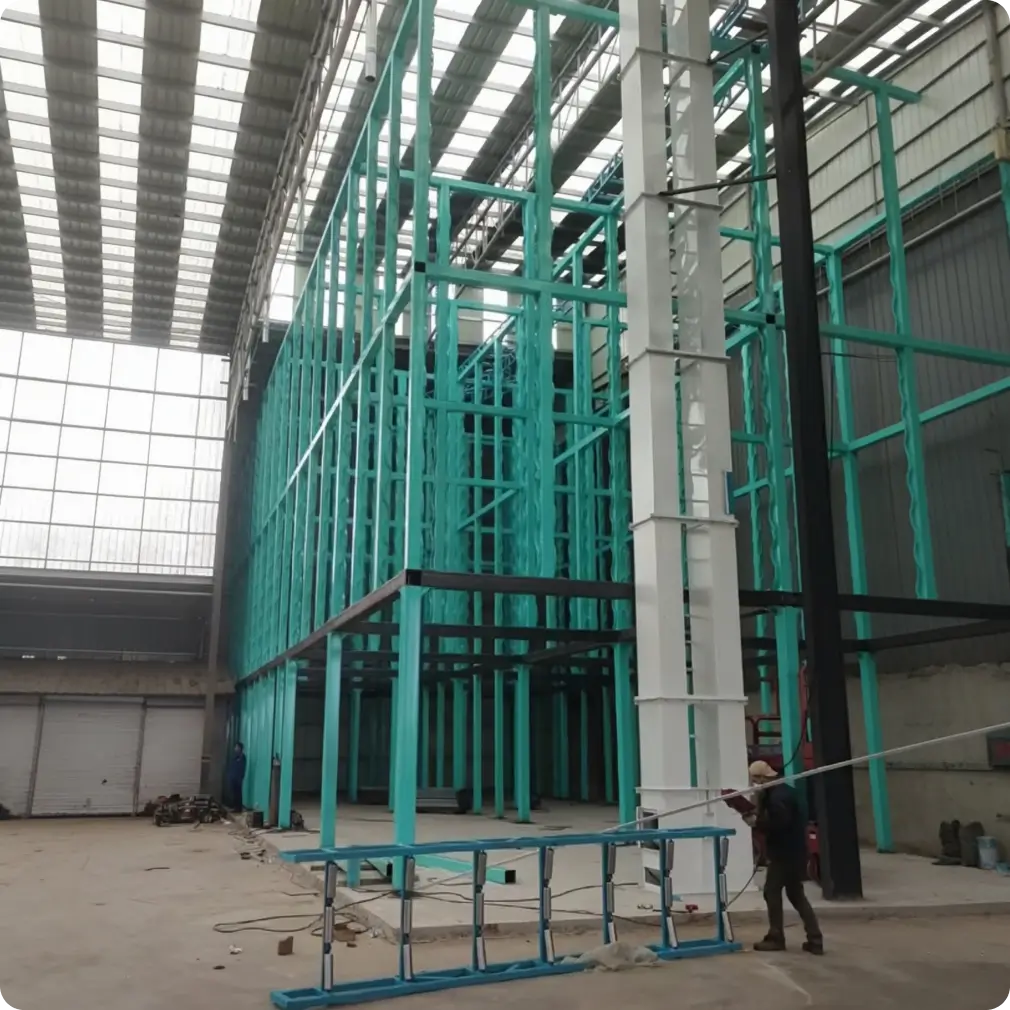
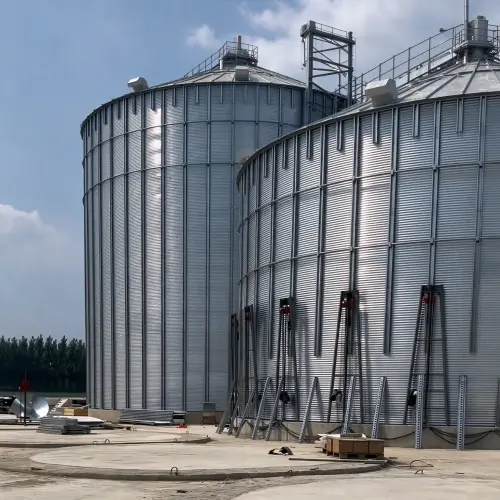
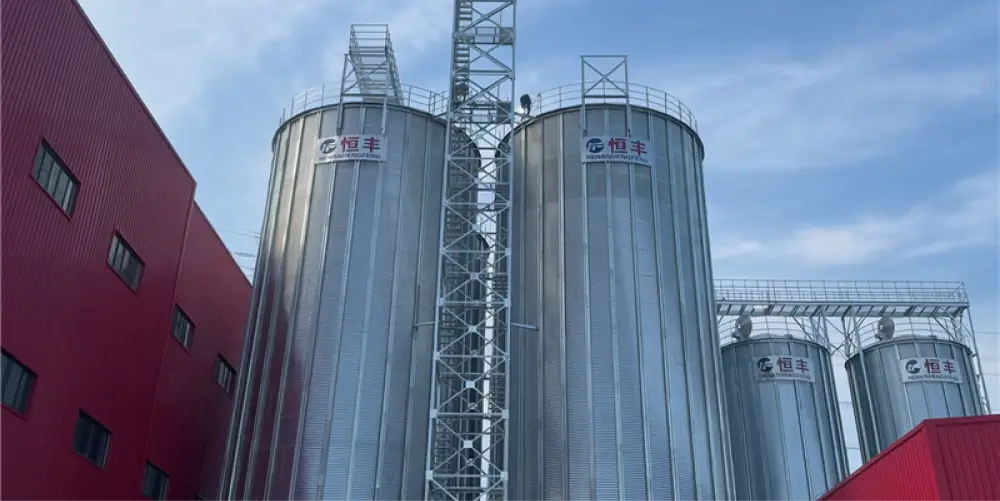
In 2025, a steel silo storage project was carried out in Dezhou, Shandong Province, China. The project included five steel silos with different capacities, combining three 5,000-ton units and two 500-ton units.
The project configuration was intended to accommodate large-volume storage alongside smaller storage requirements within one facility.
For industrial operators, selecting a suitable silo configuration is essential for balancing inventory capacity, material handling, site utilization, and operational flexibility.
2. Challenges to Be Addressed
When planning a large bulk storage facility, customers may encounter several common challenges. The following points describe the project objectives and potential benefits that should be verified against the customer’s actual operating records.
Solution: Three 5,000-ton steel silos provide a combined nominal capacity of 15,000 tons in the main storage units. This arrangement can support higher-volume storage requirements when matched to the customer’s actual material and throughput.
Solution: Two additional 500-ton silos provide 1,000 tons of smaller-capacity storage. Depending on the final process design, these units can support more flexible inventory allocation.
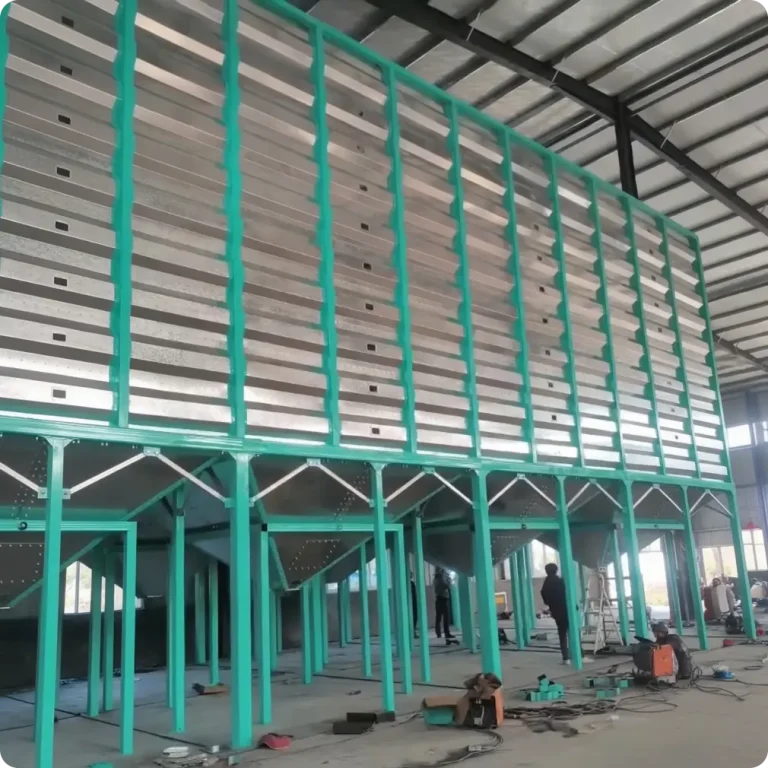
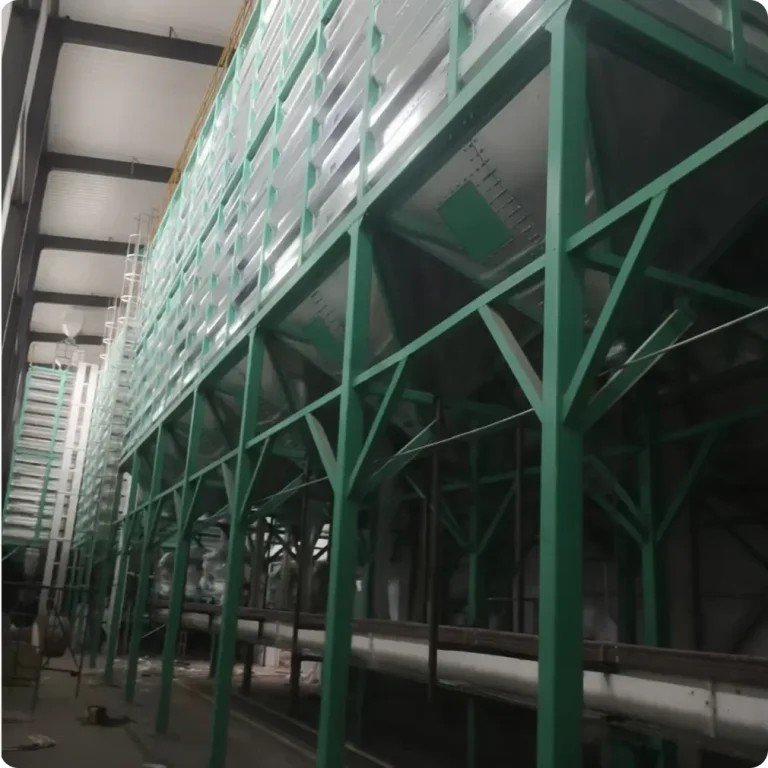
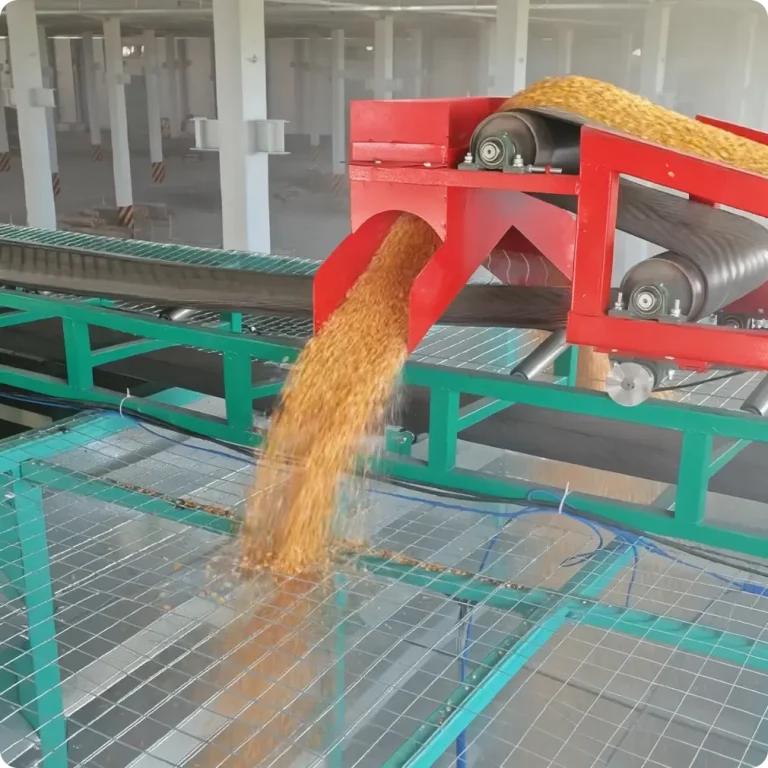
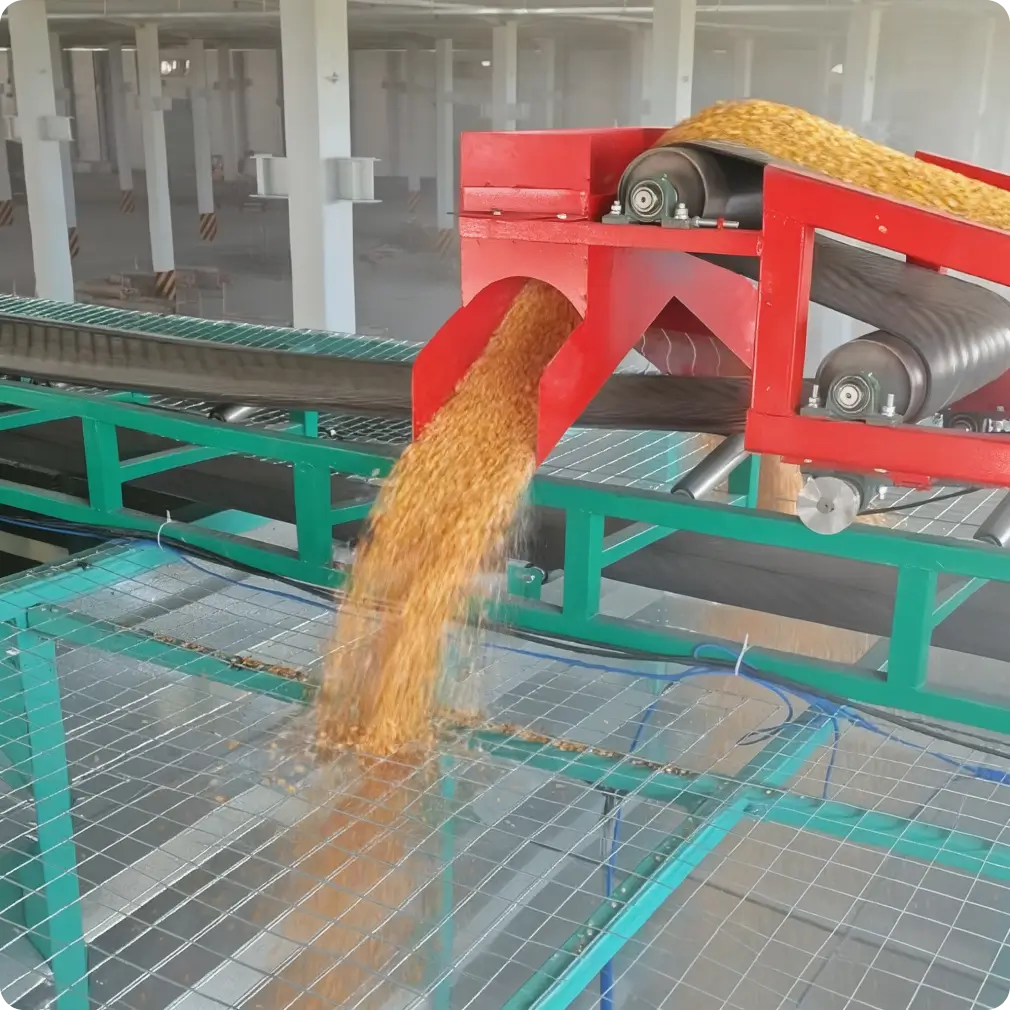
Solution: The silo layout and any associated conveying, discharge, and monitoring equipment should be designed as an integrated system. Final equipment specifications should be based on the actual project scope.
Solution: A project-specific engineering design should address foundation conditions, structural loads, corrosion protection, inspection access, and applicable local standards.
3. Project Configuration
The Dezhou project consists of the following steel silo units:
| Length | 6m | 9m | 12m | 18m |
| Suitable Vehicle Types | 4.2m | 6.8m | 9.6m | 13m |
| Load Capacity | 20T | 40T | 60T | 80T-120T120T customizable |
| Oil pump motor power | 5.5 kW | 7.5 kW | 11 kW | 22 kW |
| material | H-beam | |||
| Max. Tipping Angle | 45°(stop at any position,50°—60° customizable) | |||
| Tipping Speed | Raising Speed:45°/5minLowering Speed:45°/3min | |||
| Hydraulic system pressure | ≤16 MPa | |||
| Oil pump motor power | 5.5 kW | |||
| Power supply | 380 V / 50 Hz | |||
| Insulation class | Not less than Class F | |||
| Protection class | IP54 | |||
| Vehicle positioning method | Back-in type | |||
| Hydraulic cylinder installation | Vertical mounting on both sides | |||
| Power supply point | Equipment power cabinet | |||
| Control mode | Manual / Remote control | |||
| Mobile Function | Optional | |||
| Custom Service | Available | |||
This mixed-capacity arrangement provides a clear division between the main storage volume and smaller storage compartments.
Actual usable capacity depends on the stored material, bulk density, filling limits, and the engineering design of the silo system.
4. Practical Benefits of the Storage Configuration
Based on the project configuration, the system offers several potential operational benefits:
These benefits describe the potential value of the configuration. Quantified improvements in labor costs, operating efficiency, material loss, or production output require actual customer data.
5. Project Outcome and Customer Feedback
The completed project configuration provides five steel silos with a combined nominal capacity of 16,000 tons.
To evaluate the project’s operational results accurately, the customer and supplier should review factors such as actual storage utilization, receiving and discharge throughput, equipment availability, maintenance requirements, and inventory management performance.
Suggested Customer Testimonial

“The steel silo solution provides the storage capacity and flexibility required for our operation. The combination of large and small silos gives us more options for organizing our inventory and planning material handling. We also value the importance of coordinated engineering and installation support.”
6. Why Choose a Steel Silo Solution?
A properly engineered steel silo system can provide a practical option for businesses that require substantial bulk storage capacity.
Key considerations when selecting a supplier include:
- Experience in steel silo engineering and manufacturing.
- The ability to design according to material characteristics and site conditions.
- Coordination of silo structures with conveying and discharge equipment.
- Clear technical specifications and project documentation.
- Installation guidance, commissioning support, and maintenance recommendations.
7. Conclusion
The 2025 Dezhou steel silo project combines three 5,000-ton silos and two 500-ton silos into a five-unit storage configuration with a total nominal capacity of 16,000 tons.
By combining large-capacity storage with smaller units, the project illustrates an approach to planning bulk storage facilities around capacity requirements and operational flexibility.
For businesses considering a new storage facility or an expansion project, the right steel silo configuration starts with an understanding of material properties, storage demand, throughput, site conditions, and the complete material handling process.
Need a customized steel silo solution? Contact our engineering team with your required storage capacity, material type, project location, and expected throughput to discuss a suitable configuration.